Heavy Duty Weed Barrier Fabric: Gravel Paths & Beds
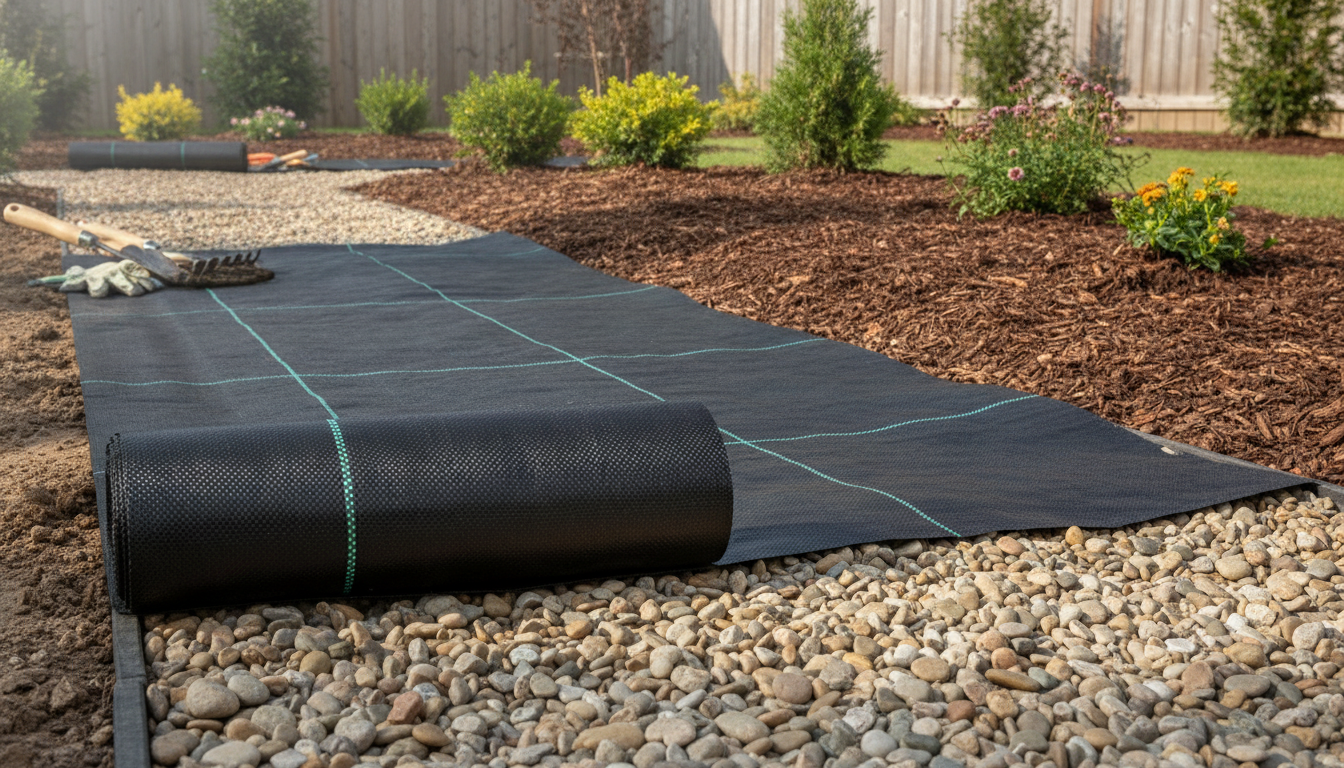
Heavy Duty Weed Barrier Landscape Fabric for Long-Lasting Beds, Paths, and Gravel Areas
Weed barrier fabric can take a big chunk out of seasonal cleanup, but only when it’s matched to the job and installed with the same care as any other “under-the-surface” layer. Heavy duty landscape fabric is designed for the places that punish lighter materials—think shifting gravel, repeated foot traffic, and edges that love to lift after storms. Used correctly, it helps water drain through while limiting light and reducing weed growth from below, especially under mulch, gravel, and pavers.
Where heavy duty landscape fabric makes the biggest difference
Not every bed needs the toughest fabric available. Heavy duty rolls shine in high-wear zones and anywhere you don’t want to pull back stone or refresh layers just to fix torn underlayment.
- Gravel driveways, walkways, and seating areas where repeated foot traffic and shifting stone can tear lighter fabrics
- Under decorative rock and river stone to limit weed germination while keeping the base layer cleaner
- Around shrubs, hedges, and perennial beds where hand-weeding is difficult near roots and irrigation lines
- On slopes and erosion-prone edges when paired with pins and a stabilizing top layer (mulch, stone, or ground cover)
- In utility strips and side yards where a low-maintenance surface is preferred
Common uses and practical setup
| Area | Top layer | Why it works | Notes |
|---|---|---|---|
| Gravel path | 1–3 in. gravel | Reduces weeds mixing into stone; helps keep gravel cleaner | Use a compacted base and overlap seams generously |
| Shrub bed | 2–3 in. mulch | Cuts down sprouting and makes seasonal refresh easier | Leave breathing room around trunks; avoid covering root flare |
| Rock garden | Decorative rock | Limits soil splash and weed seed contact with soil | Use heavier pins; check edges after heavy rain |
| Under pavers (with base) | Base + pavers | Prevents weeds from rooting upward through joints | Fabric goes below bedding layer; use proper paver base depth |
What “heavy duty” should mean in real-world use
“Heavy duty” isn’t just a label—it’s about how the material behaves once it’s pinned down, covered up, and exposed to settling soil and abrasive stone. Look for practical performance traits that reduce failure at seams, edges, and high-pressure contact points.
- Tear resistance: Holds up when pulled taut and pinned, and when gravel shifts on top
- Puncture resistance: Less likely to fail from sharp stone, edging, or roots pressing upward
- Permeability: Allows water and air exchange so soil doesn’t stay waterlogged
- UV stability: Better tolerance to temporary sun exposure during installation or when mulch shifts
- Clean edges and stable weave: Reduces fraying at cuts and seams, improving longevity
Mulch and rock guidance from university extension programs is a helpful reference point for maintaining soil conditions while suppressing weeds, including how top-layer choices affect moisture and temperature: University of Minnesota Extension, Penn State Extension, and Colorado State University Extension.
Choosing the right fabric for mulch vs. gravel
The “best” roll depends on what goes on top and how permanent the area is. Mulch beds and gravel lanes stress fabric in different ways, so it pays to choose based on the type of wear rather than buying the thickest option by default.
- Under mulch: Permeability and soil health matter most; avoid creating a sealed layer that traps debris and seeds on top
- Under gravel: Prioritize puncture resistance and seam overlap; gravel movement can abrade thin material
- For permanent hardscape zones: Plan for long service life and strong anchoring at edges to prevent lifting
- For planting beds: Cut planting holes carefully and keep openings snug to limit light reaching soil
- If soil is clay-heavy or drainage is slow: Confirm water can pass through efficiently and avoid blocking natural runoff paths
A simple rule: the harder and sharper the top layer, the more you should treat fabric as a structural layer that needs generous overlaps, extra pins, and edge protection.
Installation that prevents weeds from sneaking in
Most weed-barrier “failures” are really installation gaps—seams that separate, edges that lift, or debris that turns into a new rooting layer on top. A careful install keeps the barrier continuous and protected.
Care and lifespan expectations
Product option: Heavy Duty Weed Barrier Landscape Fabric
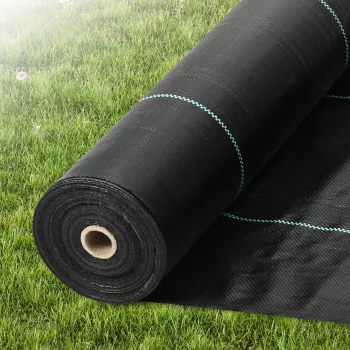
If the project includes gravel paths, rock zones, or beds where repeated disturbance is likely, a purpose-built heavy duty roll is a practical foundation layer. Heavy Duty Weed Barrier Landscape Fabric is designed for tough, high-wear outdoor zones such as gravel paths and low-maintenance beds, helping support cleaner stone/mulch layers and less seasonal upkeep when paired with good prep, generous overlaps, and a protective top layer.
For longer installs (or to make the work more pleasant), some shoppers also add a simple audio companion for yardwork and hardscape projects: Bluetooth Bone Conduction Pillow Speaker – Wireless Sleep Sound Box with Timer.
FAQ
Can weeds still grow on top of landscape fabric?
Yes. Fabric blocks weeds from below, but windblown seeds can sprout in mulch, dust, or organic debris that collects on top. Keep the top layer refreshed and remove debris so it doesn’t turn into a new growing medium.
Should landscape fabric go under mulch or over mulch?
Under mulch. Place fabric on prepared soil, then cover it with mulch to protect it from UV exposure and help block light. Putting fabric on top of mulch tends to look messy and does less to stop weeds from rooting where they land.
How much overlap is needed at seams?
Use a generous overlap so seams don’t open as the ground settles, and add extra pins along the seam line. Keep overlaps covered by mulch or gravel to prevent lifting and sunlight leaks.



Leave a comment